Top Tourist Attractions in Nigeria: 20 Places You Must Visit
Last updated: 19 November 2026 · By the Bookia team
Nigeria packs mountains, waterfalls, wildlife parks, beaches, ancient walled cities and some of Africa’s liveliest festivals into one country. This guide brings together the top tourist attractions in Nigeria, from Olumo Rock in Abeokuta to Obudu Mountain Resort and Yankari National Park.
For each of the 20 places below, you’ll find what to do, how to get there, entry fees where we could confirm them, the best time to go and where to stay nearby. Everything that changes, such as fees and safety advice, is dated so you know how fresh it is. Whether you want famous tourist sites in Nigeria or quieter holiday destinations, there is something here for every kind of trip.
When you’ve picked your destination, you can book hotels across Nigeria on Bookia, with a free airport transfer on every booking.
Top Tourist Attractions in Nigeria at a Glance
Here are the 20 tourist attractions in Nigeria covered in this guide, with the state, what each is best for and the nearest city.
| # | Attraction | State | Best for | Nearest city |
|---|---|---|---|---|
| 1 | Olumo Rock | Ogun State | History, views, day trips from Lagos | Abeokuta |
| 2 | Obudu Mountain Resort | Cross River State | Cool weather, hiking, nature | Obudu |
| 3 | Yankari National Park | Bauchi State | Wildlife safaris, swimming | Bauchi |
| 4 | Zuma Rock | Niger State | Landmark views, photos | Abuja |
| 5 | Lekki Conservation Centre | Lagos State | Nature, canopy walk | Lekki |
| 6 | Osun-Osogbo Sacred Grove | Osun State | Culture, festivals, forest walks | Osogbo |
| 7 | Erin Ijesha Waterfalls | Osun State | Waterfall hikes | Ilesa |
| 8 | Idanre Hills | Ondo State | Hiking, history, views | Akure |
| 9 | Ikogosi Warm Springs | Ekiti State | Relaxing weekend, families | Ado-Ekiti |
| 10 | Nike Art Gallery | Lagos State | Art, culture, souvenirs | Lekki |
| 11 | Badagry Heritage Sites | Lagos State | History, slave-trade heritage | Badagry |
| 12 | Ogbunike Caves | Anambra State | Caves, culture, adventure | Onitsha |
| 13 | Gurara Falls | Niger State | Waterfalls, picnics | Abuja |
| 14 | Kano Ancient City | Kano State | History, architecture, markets | Kano |
| 15 | Sukur Cultural Landscape | Adamawa State | Heritage, mountain scenery | Yola |
| 16 | Millennium Park and Aso Rock | Abuja | City break, picnics | Abuja |
| 17 | Calabar Old Residency and Marina | Cross River State | History, festivals, city break | Calabar |
| 18 | Agbokim Waterfalls | Cross River State | Waterfalls, rainforest | Ikom |
| 19 | Benin City Royal Heritage | Edo State | History, bronze art | Benin City |
| 20 | Awhum Waterfall and Ngwo Pine Forest | Enugu State | Waterfall, forest walks | Enugu |
Planning a trip? Find hotels near these attractions on Bookia.
20 Best Places to Visit in Nigeria
1. Olumo Rock, Abeokuta (Ogun State)
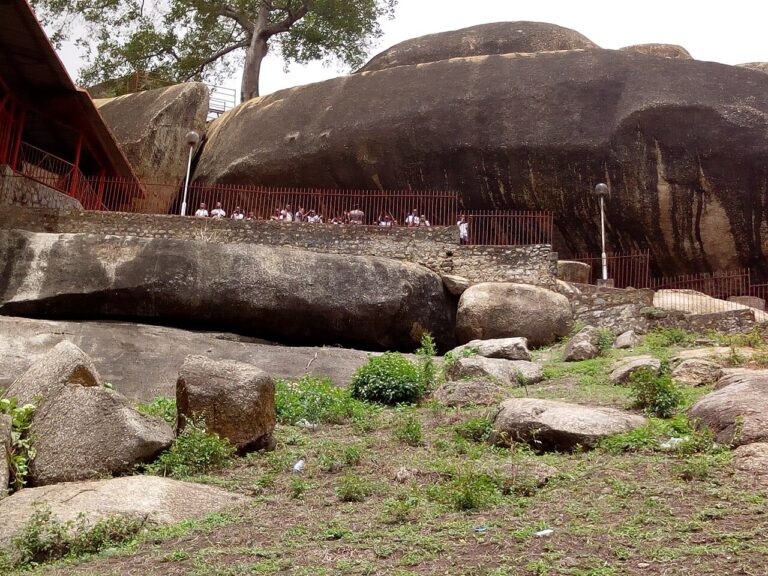
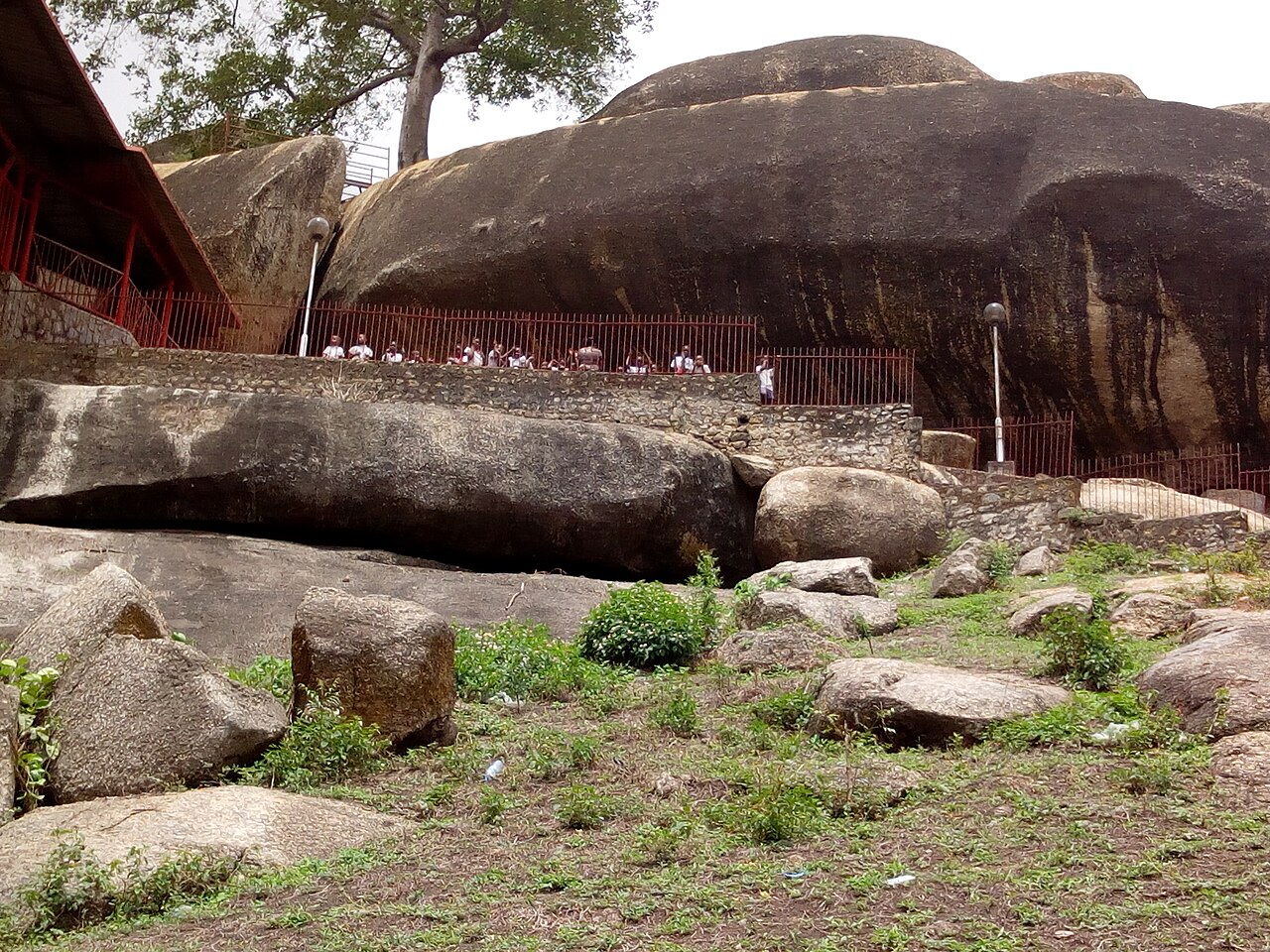
Olumo Rock is the granite outcrop that gave Abeokuta its name, which means “under the rock”. In the 1800s the Egba people sheltered among its caves during the Yoruba wars. A renovated complex now makes it an easy day trip from Lagos.
What to do:
- Climb the carved steps to the summit for wide views over Abeokuta and the Ogun River
- See the old hiding places and shrines used during the 19th-century wars
- Take the lift if the stairs are hard going, then explore the museum and craft stalls at the base
- Add the Itoku Adire market for a full day
Quick facts
- Location: Ikija, Abeokuta, Ogun State (about 100 km north of Lagos)
- How to get there: About 2 hours by road from Lagos; taxis and keke from Abeokuta town
- Entry fee: Normal charges resumed after a free-entry period ended in August 2025; check with the site before you go
- Opening hours: Daytime visits; check with the site before you go
- Best time to visit: Early morning in the dry season (November to March), before school groups arrive
- Good for: Families, history lovers, photographers
Local tip: The lift and the stairs have been priced differently in the past, so ask at the gate which ticket you are buying.
Where to stay nearby: hotels in Abeokuta put you minutes from the rock, or make it a day trip from hotels in Ikeja.
2. Obudu Mountain Resort, Obanliku (Cross River State)
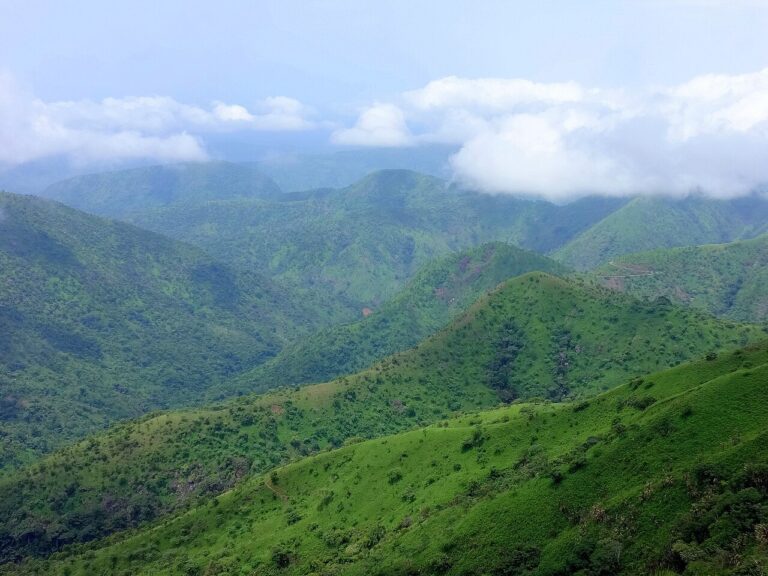
High on the Obudu Plateau near the Cameroon border, the former Obudu Cattle Ranch is Nigeria’s best-known mountain resort. Mornings are misty and nights are cool enough for a jacket.
What to do:
- Walk the canopy walkway in the Becheve forest and look for birds and monkeys
- Hike to the Grotto waterfall and the natural swimming pool
- Watch the sunrise over the hills from the resort’s viewpoints
Quick facts
- Location: Obanliku LGA, Cross River State (northern Cross River, near the Cameroon border)
- How to get there: Fly to Calabar, then about 6 hours by road; the last stretch winds up the mountain
- Entry fee: Room rates were reported from about ₦65,000 a night for a standard chalet, as of May 2026; activities are paid separately, so check with the site before you go
- Opening hours: Resort open all year; book rooms in advance
- Best time to visit: November to February for clear, cool days; December is busiest
- Good for: Couples, families, hikers, nature lovers
Local tip: The famous cable car was not running as of November 2026. The state has said new operators will restore it, so confirm before you travel if it matters to you.
Where to stay nearby: Most visitors stay inside the resort. For a night before the drive, compare hotels in Calabar.
3. Yankari National Park and Wikki Warm Spring, Alkaleri (Bauchi State)
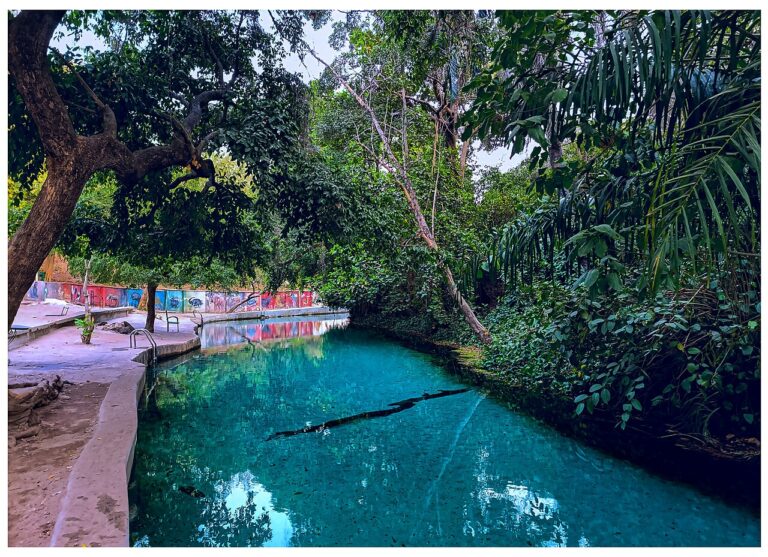
Yankari is Nigeria’s best-known wildlife park, home to elephants, baboons, hippos and antelope. Its star attraction is Wikki Warm Spring, a crystal-clear pool that stays at about 31°C all year.
What to do:
- Go on an early-morning or late-afternoon game drive with a park ranger
- Swim in Wikki Warm Spring, then relax on its sandy banks
- Visit the Marshall Caves and the old Dukkey wells
- Keep food out of reach of the baboons around Wikki Camp
Quick facts
- Location: Alkaleri LGA, Bauchi State (about 2 hours from Bauchi city)
- How to get there: Fly or drive to Bauchi, then by road to the Wikki Camp gate; Abuja to Bauchi is a long day by road
- Entry fee: Reported at ₦2,000 to ₦3,000 per adult, as of August 2026; game drives cost extra, so check with the site before you go
- Opening hours: Gate open during daylight; game drives run early morning and late afternoon
- Best time to visit: December to April, when animals gather near water
- Good for: Wildlife lovers, families, photographers
Local tip: As of November 2026, UK government travel advice warns against all but essential travel to Bauchi State. Check the latest advice and travel with a reputable operator.
Where to stay nearby: Stay at Wikki Camp inside the park, or in Bauchi city the night before.
4. Zuma Rock, Madalla (Niger State)
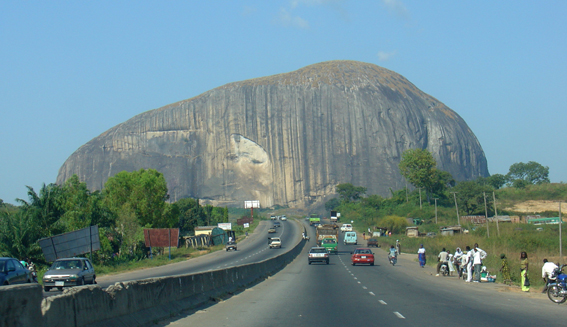
Zuma Rock is the huge granite monolith that greets you on the road from Abuja to Kaduna. It is often called the gateway to Abuja, and it once featured on the back of the ₦100 note. Its dark streaks make it look like a face in the right light.
What to do:
- Stop at a safe roadside spot for photos, especially in the late-afternoon light
- Ask in Madalla about guided walks around the base
- Pair it with Gurara Falls for a full day trip from Abuja
Quick facts
- Location: Madalla, Suleja area, Niger State (on the Abuja–Kaduna road)
- How to get there: About 45 minutes to an hour by road from central Abuja
- Entry fee: Free to view from the road; for guided walks, check with the site before you go
- Opening hours: Best visited in daylight
- Best time to visit: Late afternoon in the dry season, when the rock glows
- Good for: Photographers, road-trippers, first-time visitors to Abuja
Local tip: Climbing the rock is not a casual activity. Local custom and safety rules apply, so admire it from the base unless you go with a recognised guide.
Where to stay nearby: Base yourself in hotels in Abuja and visit on a half-day trip.
5. Lekki Conservation Centre, Lekki (Lagos State)
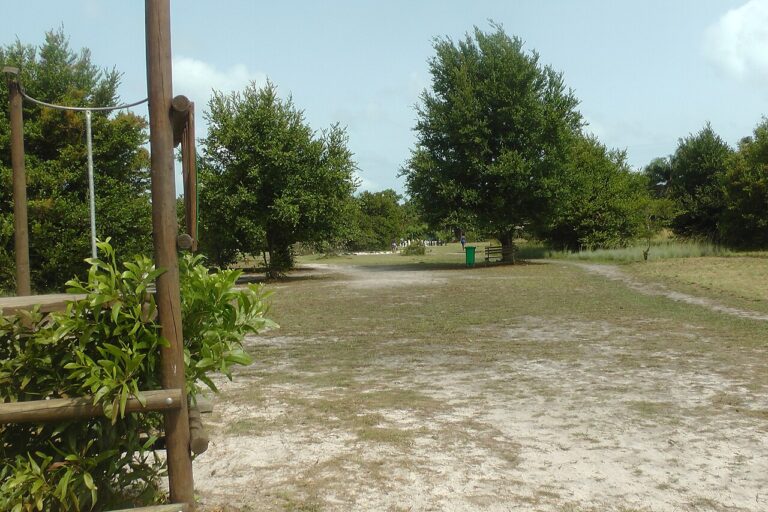
This protected patch of wetland forest on the Lekki Peninsula is run by the Nigerian Conservation Foundation. Its canopy walkway, about 401 metres long, is one of the longest in Africa. It is the easiest way to swap Lagos traffic for monkeys and birdsong. See our Lekki Conservation Centre visitor guide.
What to do:
- Cross the canopy walkway high above the forest floor
- Walk the boardwalk trails and look for monkeys, monitor lizards and birds
- Relax at the tree house, family park and picnic areas
- Learn about the Nigerian Conservation Foundation and its work
Quick facts
- Location: Lekki–Epe Expressway, Lekki, Lagos State
- How to get there: By car or ride-hailing; about 30 to 60 minutes from Victoria Island depending on traffic
- Entry fee: Separate charges apply for entry and the canopy walk, and recent reports conflict; check with the site before you go
- Opening hours: Daytime; check with the site before you go
- Best time to visit: Weekday mornings, when it is cooler and quieter
- Good for: Families, nature lovers, adventurous walkers
Local tip: The canopy walkway closes when it rains, and there have been age limits for walkers. In the rainy season, go early in the day.
Where to stay nearby: Hotels in Lekki are a short drive away.
6. Osun-Osogbo Sacred Grove, Osogbo (Osun State)
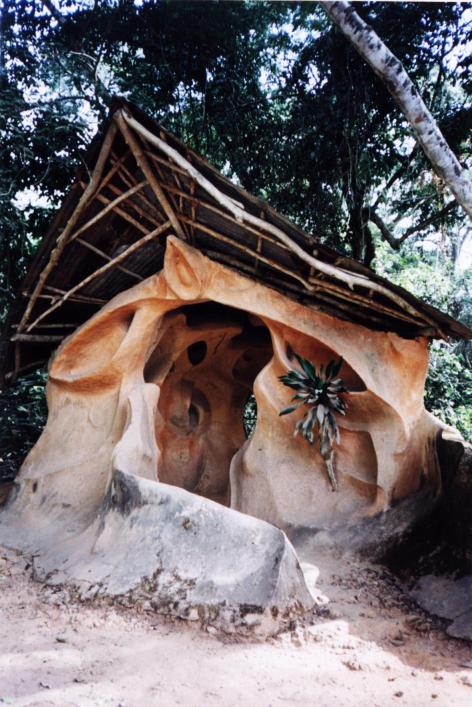
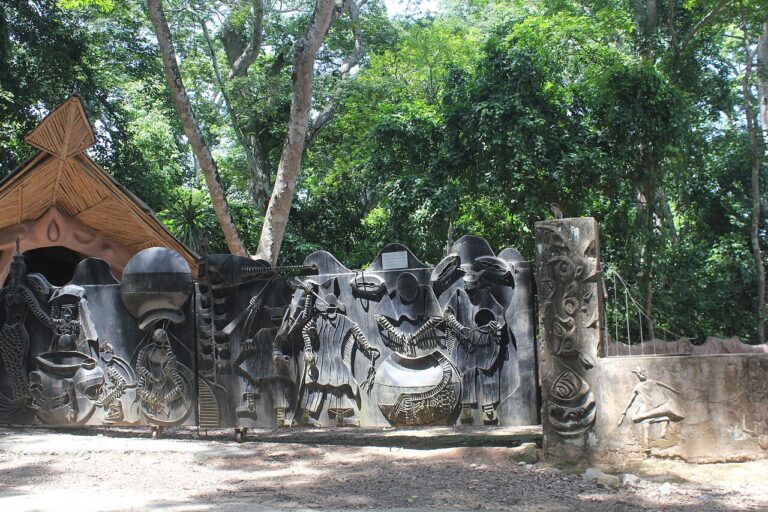
On the edge of Osogbo, a dense forest along the Osun River holds shrines, sculptures and sacred spaces dedicated to the river goddess Osun. It is a UNESCO World Heritage Site and still a living place of worship.
What to do:
- Walk the forest paths with a local guide who can explain the shrines
- See the sculptures created with Austrian-born artist Susanne Wenger and the New Sacred Art movement
- Visit during the Osun-Osogbo Festival in August for drumming, dance and the Arugba procession
Quick facts
- Location: Osogbo, Osun State
- How to get there: About 4 hours by road from Lagos; 1.5 hours from Ibadan
- Entry fee: Small gate and camera fees have been charged; check with the site before you go
- Opening hours: Reported as 8am to 6pm daily; check with the site before you go
- Best time to visit: August for the festival; dry-season mornings for quiet walks
- Good for: Culture lovers, photographers, festival-goers
Local tip: In 2026 the festival’s grand finale took place on 7 August. Rooms in Osogbo fill quickly that week, so book early.
Where to stay nearby: Find hotels in Osogbo within a short drive of the grove.
7. Erin Ijesha Waterfalls (Olumirin), Erin-Ijesha (Osun State)
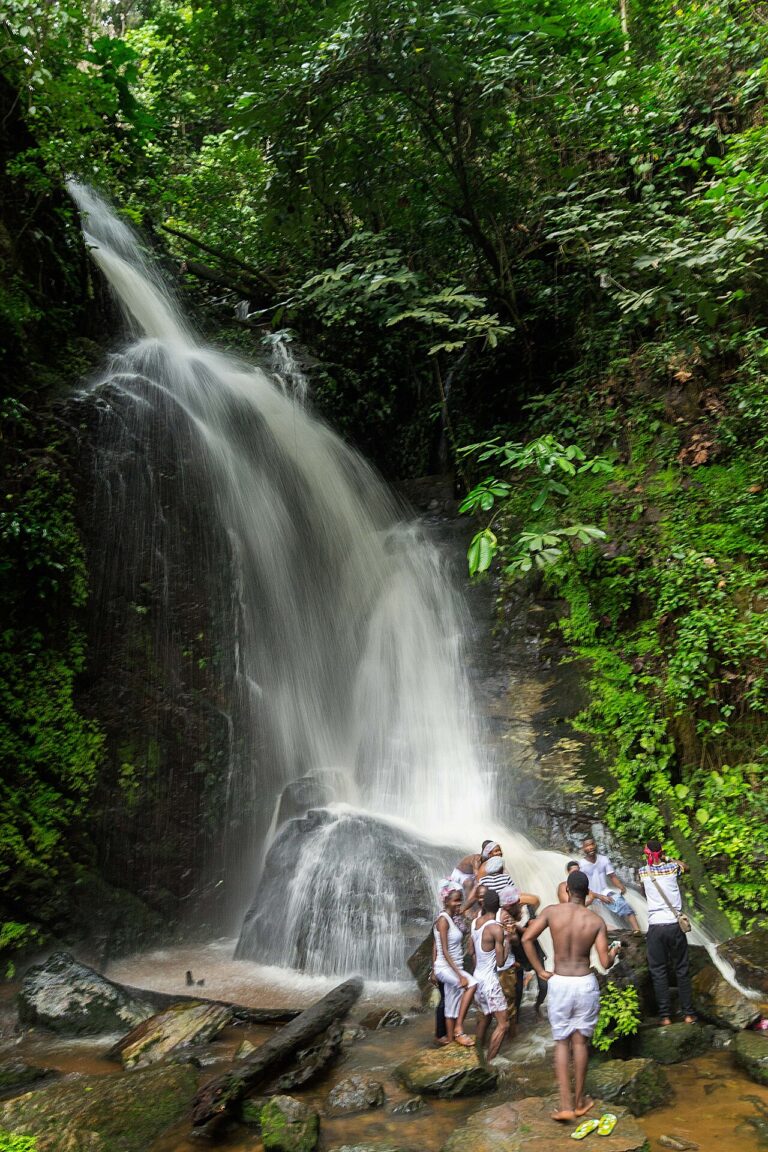
Known locally as Olumirin, this waterfall drops down a forested hillside in a series of levels. Most people stop at the first pool. Fit walkers can climb higher for quieter pools and better views.
What to do:
- Swim or wade in the pool at the foot of the first level
- Climb with a guide to the upper levels
- Combine it with Ikogosi Warm Springs, a short drive away in Ekiti State
Quick facts
- Location: Erin-Ijesha, Oriade LGA, Osun State (near the Ekiti border)
- How to get there: About 4 hours by road from Lagos; about 30 minutes from Ilesa
- Entry fee: Fees of ₦500 to ₦1,000 were reported in past years; check with the site before you go
- Opening hours: Daylight hours
- Best time to visit: July to October for the strongest flow; dry season for safer climbing
- Good for: Hikers, groups of friends, nature lovers
Local tip: Wear shoes with good grip. The rocks between levels are slippery, and there are few rails.
Where to stay nearby: Stay in Ilesa or Osogbo, or at Ikogosi Warm Springs Resort nearby.
8. Idanre Hills, Idanre (Ondo State)
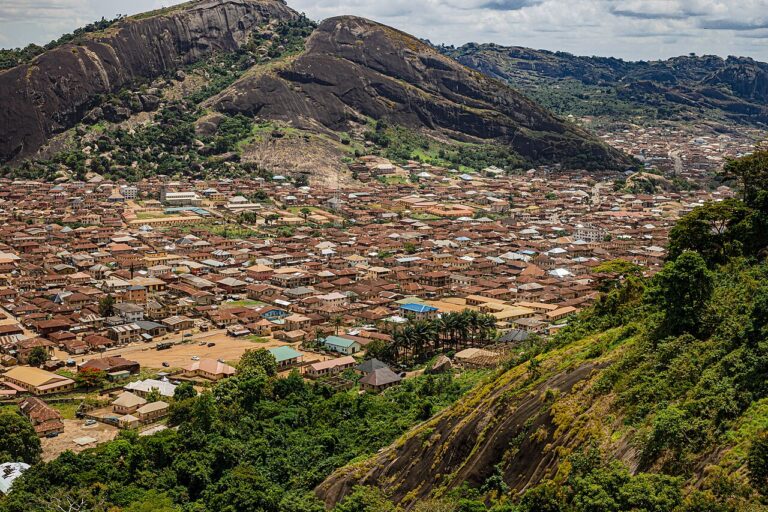
Idanre Hills is a cluster of giant granite domes with an old hilltop town at the top. A stairway of more than 600 steps, with rest stops, climbs to Oke Idanre. The town was home to the Idanre people for centuries.
What to do:
- Climb the steps to the old town and the former palace of the Owa
- See local landmarks such as the Agbogun footprint and the old court and school buildings
- Take in sweeping views of the hills and valleys
Quick facts
- Location: Idanre, Ondo State (about 25 minutes from Akure)
- How to get there: Road from Akure; about 5 hours from Lagos
- Entry fee: check with the site before you go (older guides list about ₦1,000 for adults)
- Opening hours: Reported as 8am to 6pm; check with the site before you go
- Best time to visit: Dry-season mornings, starting before 9am
- Good for: Hikers, history lovers
Local tip: Some visitor facilities have been reported as run down. Carry your own water and snacks, as there is little to buy at the top.
Where to stay nearby: Find hotels in Akure and drive over in the morning.
Find a hotel near your next adventure
Search hotels, serviced apartments and resorts near these attractions, or chat with us on WhatsApp. Every booking includes a free airport transfer.
9. Ikogosi Warm Springs, Ikogosi (Ekiti State)
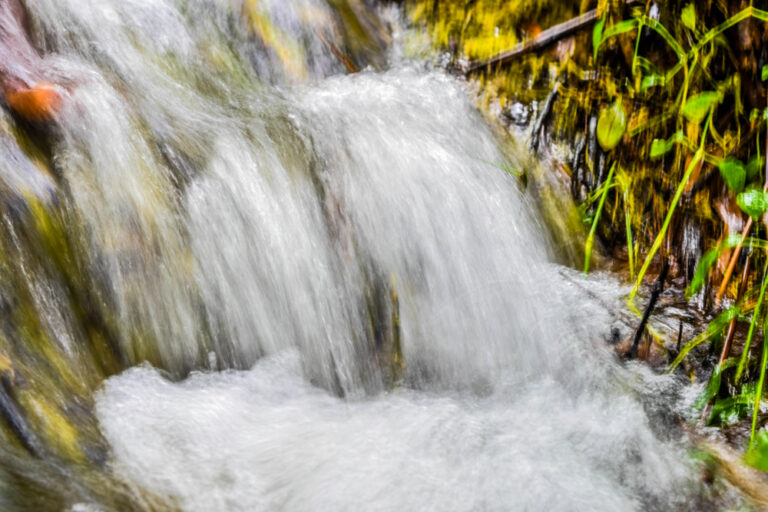
At Ikogosi, a warm spring and a cold spring meet in the forest and flow on side by side. It is a calm place for a weekend, with a resort, chalets and shaded walking paths.
What to do:
- See where the warm and cold springs meet
- Relax by the pools and walk the forest trails
- Combine with Erin Ijesha Waterfalls for a two-day trip
Quick facts
- Location: Ikogosi, Ekiti West LGA, Ekiti State
- How to get there: About an hour by road from Ado-Ekiti; 4 to 5 hours from Lagos
- Entry fee: check with the site before you go
- Opening hours: Resort open all year
- Best time to visit: Any time; weekdays are quieter
- Good for: Families, couples, short breaks
Local tip: Bring a small bottle. Many visitors like to feel the difference between the two springs for themselves.
Where to stay nearby: Stay at the resort, or in Ado-Ekiti.
10. Nike Art Gallery, Lekki (Lagos State)
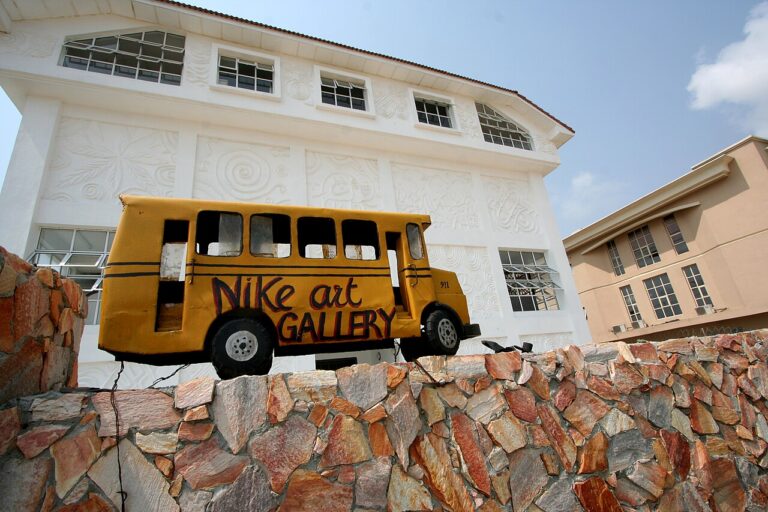
Founded by artist Nike Okundaye, this gallery fills several floors with paintings, sculptures, beadwork and adire textiles. It is one of the largest collections of Nigerian art you can see in one place. See our Nike Art Gallery visitor guide.
What to do:
- Browse floor after floor of contemporary and traditional Nigerian art
- Shop for adire fabric, beads and carvings
- Ask about adire and batik workshops
Quick facts
- Location: Lekki Phase 1, Lagos State
- How to get there: By car or ride-hailing from Victoria Island or Ikoyi
- Entry fee: Free entry has been widely reported; check with the site before you go
- Opening hours: Usually around 10am to 6pm, with shorter Sunday hours; check with the site before you go
- Best time to visit: Weekday afternoons; allow at least two hours
- Good for: Art lovers, gift shoppers, visitors from abroad
Local tip: Prices on artworks are often open to friendly negotiation, so ask before you decide.
Where to stay nearby: Hotels in Lekki and Victoria Island are close by.
11. Badagry Heritage Sites, Badagry (Lagos State)
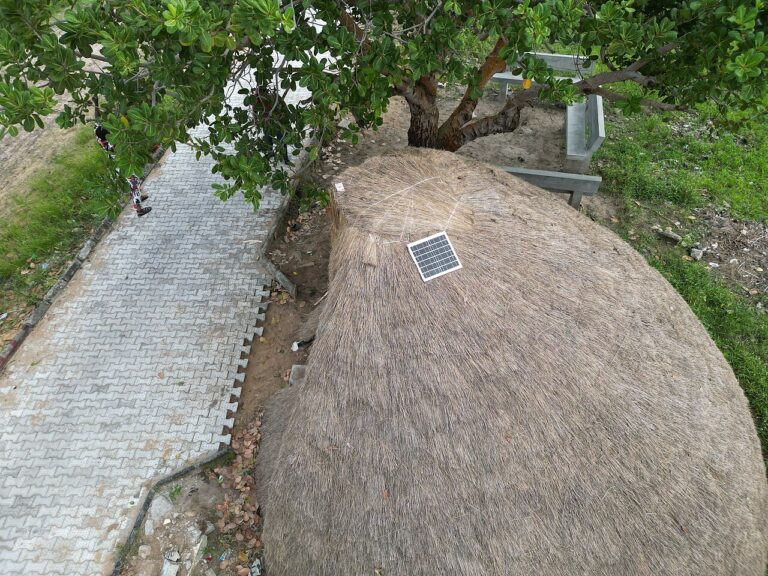
Badagry was a major port in the Atlantic slave trade, and its museums and monuments tell that story honestly. It is a moving trip that every visitor to Lagos should consider. Read our guides to the Point of No Return, the Badagry Heritage Museum and the First Storey Building.
What to do:
- Cross the lagoon by boat and walk to the Point of No Return on Gberefu Island
- Visit the Badagry Heritage Museum and the Mobee Slave Relics Museum
- See the First Storey Building in Nigeria, built by missionaries in 1845
Quick facts
- Location: Badagry, Lagos State (west of central Lagos, near the Benin border)
- How to get there: About 1.5 to 2 hours by road from central Lagos; short boat ride to Gberefu
- Entry fee: In early 2025 museum entry was listed at about ₦1,000 and the boat at about ₦1,500; check with the site before you go
- Opening hours: The Heritage Museum has listed Monday to Saturday, 9am to 5pm; check with the site before you go
- Best time to visit: Dry season; August for the Badagry Diaspora Festival
- Good for: History lovers, diaspora visitors, school groups
Local tip: Hire a local guide at the marina. They connect the sites into one story and help with the boat.
Where to stay nearby: Stay in Badagry, or book hotels in Lagos and leave early.
12. Ogbunike Caves, Ogbunike (Anambra State)
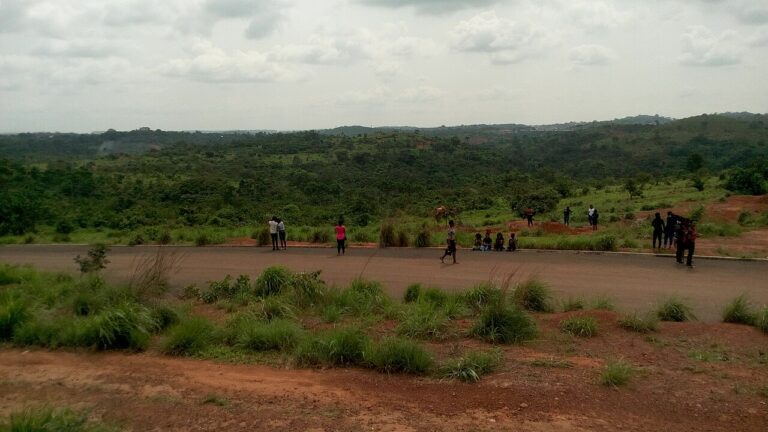
Hidden in a forested valley near Onitsha, Ogbunike Caves is a network of chambers and tunnels with streams running through it. The site is sacred to the local community, and its customs are still respected.
What to do:
- Walk down the long stairway into the valley
- Explore the chambers with a guide and a torch
- Visit during the annual Ime Ogba festival, held late in the year
Quick facts
- Location: Ogbunike, Oyi LGA, Anambra State (between Onitsha and Awka)
- How to get there: About 20 to 30 minutes by road from Onitsha
- Entry fee: Listed at about ₦3,000 for adults plus a guide fee in 2025; check with the site before you go
- Opening hours: Daylight hours
- Best time to visit: Dry season, when the paths are less slippery
- Good for: Adventurous travellers, culture lovers
Local tip: Expect to remove your shoes before entering, and wear clothes you do not mind getting wet.
Where to stay nearby: Find hotels in Onitsha or Awka.
13. Gurara Falls, Gurara (Niger State)
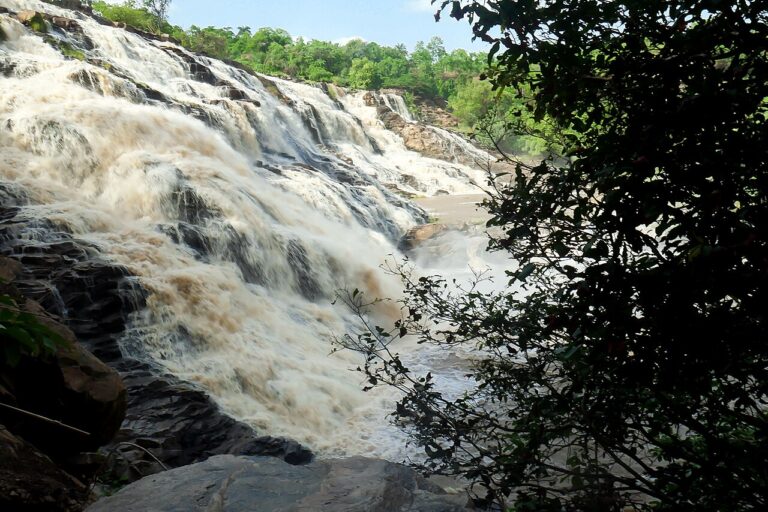
In the rainy season, Gurara Falls becomes a wide, roaring curtain of water on the Gurara River. In the dry season, it shrinks to calm pools that are good for a swim.
What to do:
- Picnic on the rocks above the falls
- Swim in the pools in the dry season
- Combine with Zuma Rock on the way back to Abuja
Quick facts
- Location: Gurara LGA, Niger State (off the Suleja–Minna road)
- How to get there: About 1.5 to 2.5 hours by road from Abuja
- Entry fee: A small gate fee has been charged; check with the site before you go
- Opening hours: Daylight hours
- Best time to visit: July to October for the full falls; January to March for swimming
- Good for: Groups of friends, families, photographers
Local tip: As of November 2026, UK government travel advice warns against all but essential travel to Niger State. Go in daylight, in a group and with a local guide.
Where to stay nearby: Stay in Abuja and make it a day trip.
14. Kano Ancient City and Gidan Makama Museum, Kano (Kano State)
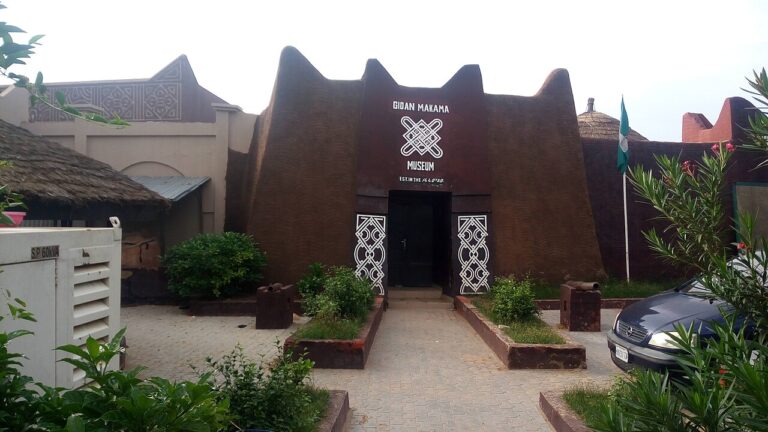
Kano is one of the oldest cities in West Africa, built on centuries of trans-Saharan trade. Old city gates, the Emir’s palace and indigo dye pits sit within a short drive of each other.
What to do:
- Visit Gidan Makama Museum, set in a traditional palace building
- See the Kofar Mata dye pits, where cloth is still dyed by hand
- Walk through Kurmi Market and past the old city gates
Quick facts
- Location: Old City, Kano, Kano State
- How to get there: Fly to Kano (Mallam Aminu Kano International Airport)
- Entry fee: Small fees at the museum and dye pits; check with the site before you go
- Opening hours: Gidan Makama has been under restoration in 2026; check with the site before you go
- Best time to visit: November to February; the Durbar horse parades take place around the Sallah festivals
- Good for: History lovers, photographers
Local tip: As of November 2026, UK government travel advice warns against all but essential travel to Kano State. Dress modestly and go with a local guide.
Where to stay nearby: Find hotels in Kano near the old city.
15. Sukur Cultural Landscape, Madagali (Adamawa State)
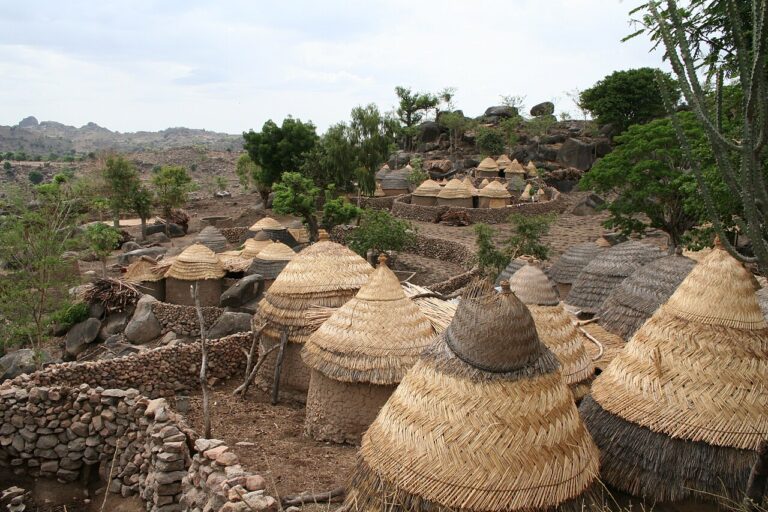
High in the Mandara Mountains, Sukur is a hilltop settlement with stone-walled terraces, a chief’s palace and a long history of iron smelting. In 1999 it became the first African cultural landscape on the UNESCO World Heritage List.
What to do:
- See the stone-paved paths and terraced farms
- Visit the Hidi’s (chief’s) palace complex
- Learn about the iron-working traditions of the area
Quick facts
- Location: Madagali LGA, Adamawa State (near the Cameroon border)
- How to get there: Far from major cities; a new 14 km access road was completed in 2025
- Entry fee: check with the site before you go
- Opening hours: Visits by local arrangement
- Best time to visit: Dry season
- Good for: Heritage enthusiasts with official travel guidance
Local tip: As of November 2026, UK government travel advice warns against all travel to Adamawa State. For now, Sukur is a place to read about rather than visit casually.
Where to stay nearby: If you do travel in the region, the nearest large city is Yola.
16. Millennium Park and Aso Rock, Abuja
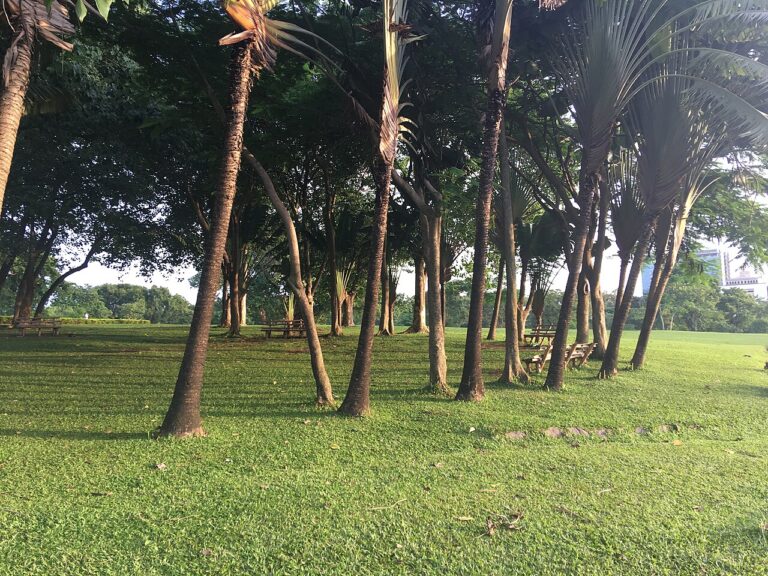
Millennium Park in Maitama is Abuja’s biggest public park, with gardens, fountains and a river running through it. Behind the city, the vast granite face of Aso Rock gives the capital its skyline. See our guides to Millennium Park and Aso Rock, or things to do in Abuja.
What to do:
- Picnic or walk in Millennium Park
- Photograph Aso Rock from the city or Jabi Lake
- Visit the National Mosque and the National Christian Centre nearby
Quick facts
- Location: Maitama and the city centre, Abuja
- How to get there: Taxi or ride-hailing from anywhere in Abuja
- Entry fee: Millennium Park has been free to enter; check with the site before you go
- Opening hours: The park has opened from about 8am to 7pm; check with the site before you go
- Best time to visit: Late afternoons in the dry season
- Good for: Families, business travellers with a free afternoon
Local tip: Aso Rock sits behind the Presidential Villa, so you cannot climb it freely. Enjoy it from a distance.
Where to stay nearby: Compare hotels in Abuja.
17. Old Residency Museum and Marina, Calabar (Cross River State)
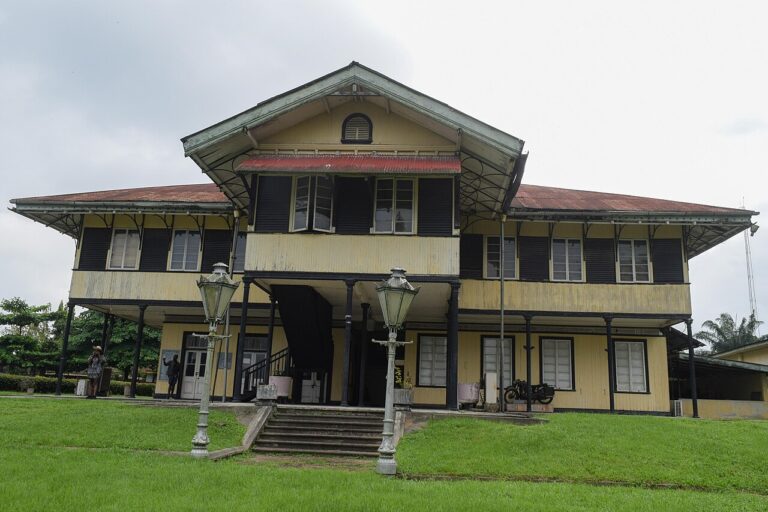
Calabar is one of Nigeria’s most relaxed and walkable cities. The Old Residency, a colonial-era building on a hill above the river, now houses the National Museum. Its displays cover the slave trade, the palm-oil trade and colonial rule.
What to do:
- Tour the National Museum in the Old Residency
- Walk down to the Marina Resort and the Slave History Museum
- Watch the parades at Carnival Calabar in December
Quick facts
- Location: Calabar, Cross River State
- How to get there: Fly to Calabar (Margaret Ekpo International Airport)
- Entry fee: Small museum fees apply; check with the site before you go
- Opening hours: Daytime; check with the site before you go
- Best time to visit: December for the carnival; the 2026 calendar puts the main parades between 26 and 30 December
- Good for: History lovers, festival-goers, food lovers
Local tip: Try Calabar’s famous food while you are there: edikang ikong soup and afang are local favourites.
Where to stay nearby: Find hotels in Calabar; book early for December.
18. Agbokim Waterfalls, Etung (Cross River State)
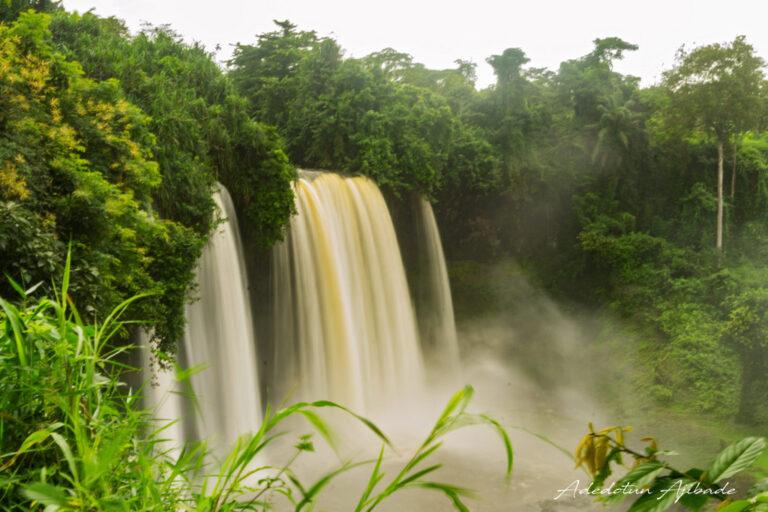
Close to the Cameroon border, Agbokim Waterfalls is a set of streams falling side by side over a cliff into thick rainforest. It is one of the most beautiful waterfalls in Nigeria and still feels wonderfully remote.
What to do:
- Walk down to the viewpoints with a local guide
- Swim in the pools at the bottom when the water is calm
- Visit the ancient Ikom monoliths on the same trip
Quick facts
- Location: Etung LGA, Cross River State (roughly 20 km from Ikom)
- How to get there: Road from Calabar to Ikom, then a local taxi or car to the falls
- Entry fee: Local guides have charged a small fee; check with the site before you go
- Opening hours: Daylight hours
- Best time to visit: July to October for full falls; November to March for easier paths
- Good for: Nature lovers, photographers
Local tip: Do not explore alone. A local guide knows the safe paths down the slope.
Where to stay nearby: Stay in Ikom, or in Calabar if you prefer more choice.
19. Benin City Walls and Royal Heritage, Benin City (Edo State)
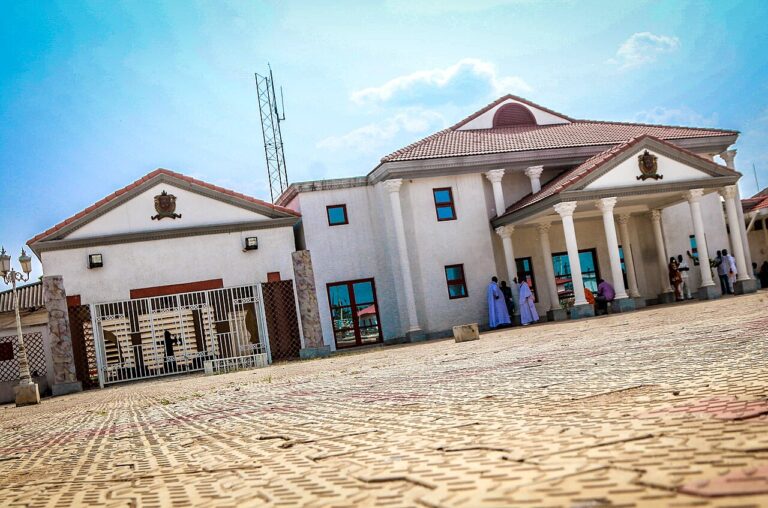
Benin City was the capital of the old Benin Kingdom, famous for its bronze art and vast earthwork walls and moats. Much of that heritage is still part of everyday life in the city.
What to do:
- Walk down Igun Street, where bronze casters still work in the traditional way
- Visit the Benin National Museum near King’s Square
- See sections of the ancient walls and moats
- Visit the Museum of West African Art, whose first building opened in November 2025
Quick facts
- Location: Benin City, Edo State
- How to get there: Fly to Benin City, or about 5 hours by road from Lagos
- Entry fee: Varies by site; check with the site before you go
- Opening hours: Daytime; check with the site before you go
- Best time to visit: Dry season
- Good for: History and art lovers
Local tip: The Oba’s palace is a royal residence. Visits are by arrangement, so do not just walk in.
Where to stay nearby: Find hotels in Benin City.
20. Awhum Waterfall and Ngwo Pine Forest, near Enugu (Enugu State)
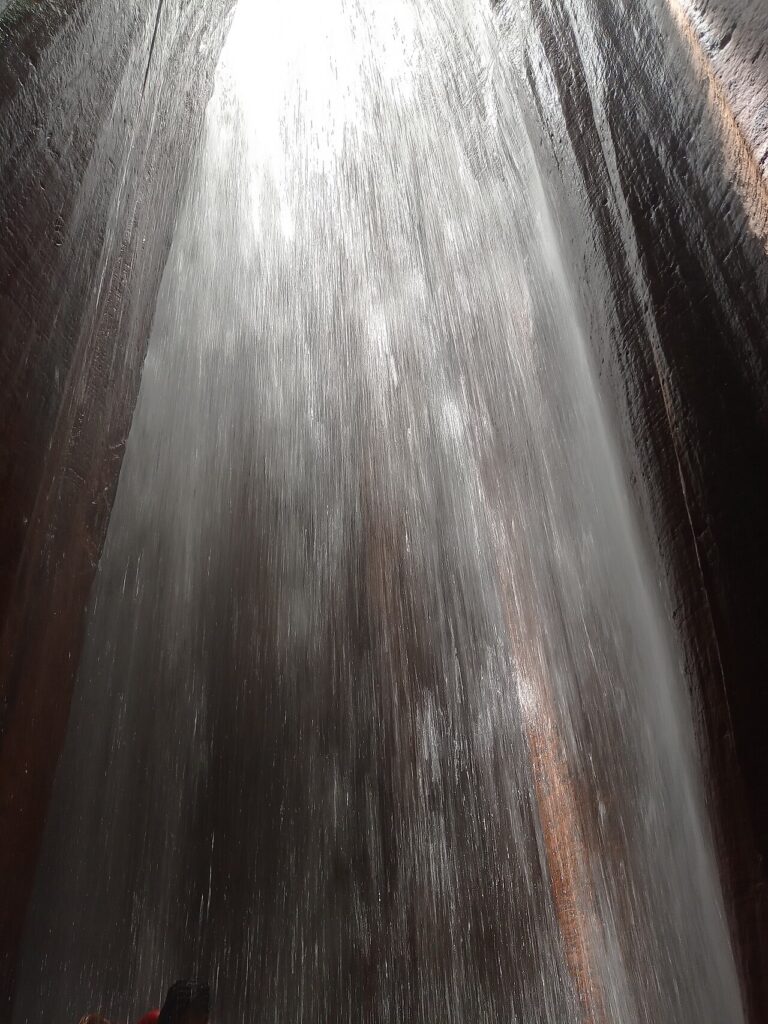
Awhum Waterfall pours from a rocky ridge near Our Lady of Mount Calvary Monastery, about 24 km from Enugu. Closer to the city, Ngwo Pine Forest hides a small cave and waterfall among tall pines.
What to do:
- Walk through the cave and down to Awhum Waterfall
- Explore the trails of Ngwo Pine Forest
- Drive the scenic Milliken Hill road for views over Enugu
Quick facts
- Location: Awhum, Udi LGA, and Ngwo, near Enugu, Enugu State
- How to get there: By road from Enugu city; Ngwo is about 15 minutes, Awhum about 45 minutes
- Entry fee: Awhum is managed by the monastery, which has charged a small fee; check with the site before you go
- Opening hours: Daylight hours
- Best time to visit: July to October for the strongest flow
- Good for: Nature lovers, quiet day trips
Local tip: Awhum is a religious site. Dress modestly and keep noise down near the monastery.
Where to stay nearby: Find hotels in Enugu.
Travel Tips for Visiting Tourist Attractions in Nigeria
- Check safety advice first. Read the latest travel advisory and local news before you go. As of November 2026, the UK government advises against all travel to Borno, Yobe, Adamawa, Gombe, Katsina, Zamfara and Sokoto states, and against all but essential travel to several others.
- Travel in daylight. Plan long road trips to arrive before dark, and use registered guides at remote sites.
- Carry some cash. Gate, guide and camera fees are often paid in cash, though many places now accept bank transfers.
- Plan your transport. Domestic flights save hours between regions. For road trips, use a reputable interstate bus company or hire a driver who knows the route.
- Pack for the outdoors. Bring walking shoes with grip, sunscreen, a hat, plenty of water and a power bank.
- Respect local customs. Many sites are sacred. Follow the rules on shoes and dress, and ask before you photograph people.
- Book your stay early for festivals. Rooms near Calabar, Osogbo and Argungu sell out in festival weeks. Our checklist on what to check before booking a stay will help.
Frequently Asked Questions About Tourist Attractions in Nigeria
What is the most popular tourist attraction in Nigeria?
There is no official visitor ranking, but Olumo Rock, Obudu Mountain Resort, Yankari National Park and the Osun-Osogbo Sacred Grove are among the best known and most visited. Olumo Rock is especially popular because it is an easy day trip from Lagos.
What are the best places to visit in Nigeria for a holiday?
For a relaxing holiday, try Obudu Mountain Resort for cool mountain air, Calabar in December for the carnival, or Ikogosi Warm Springs for a quiet weekend. Lagos suits city breaks with art, beaches and nightlife, and Yankari is the pick for wildlife.
Which state in Nigeria has the most tourist attractions?
It is hard to measure, but Cross River, Lagos, Osun and Ogun stand out. Cross River has Obudu, Agbokim Waterfalls and Calabar, while Lagos combines nature, art and heritage. Osun has a UNESCO site and several waterfalls, and Ogun has Olumo Rock within easy reach of Lagos.
How many UNESCO World Heritage Sites are in Nigeria?
Nigeria has two UNESCO World Heritage Sites: the Sukur Cultural Landscape in Adamawa State, inscribed in 1999, and the Osun-Osogbo Sacred Grove in Osun State, inscribed in 2005. Several more places, including Idanre Hills and Ogbunike Caves, are on Nigeria’s tentative list for future nomination.
Is Nigeria safe for tourists?
Many attractions, especially in the south and in Abuja, are visited every day by Nigerian and foreign tourists. Some states carry official travel warnings, so check the latest advisory, travel in daylight and use local guides. As of November 2026, the UK advises against all travel to seven northern states.
What is the best time of year to visit Nigeria?
November to March, the dry season, is the best time for most trips, with easier roads and clearer skies. Visit from July to October if you want waterfalls at full flow, and plan around December if you want Carnival Calabar.
What are some cheap tourist attractions in Lagos?
Nike Art Gallery has been free to enter, and the Lekki-Ikoyi Link Bridge is free to walk. Lekki Conservation Centre and the Badagry museums charge modest fees, and Tarkwa Bay only costs a boat ride. Check current prices before you go.
How much does it cost to visit Obudu Mountain Resort?
Room rates were reported from about ₦65,000 a night for a standard chalet as of May 2026, rising for villas, and activities are paid separately. Add transport from Calabar. The cable car was not running as of November 2026, so confirm with the resort.
Plan Your Trip
From the forest shrines of Osogbo to the cool air of Obudu, these tourist attractions in Nigeria show how much the country has to offer. Pick one for a weekend, or join a few into a longer road trip. For city guides, see things to do in Lagos and things to do in Abuja, or browse every attraction by state.
When you’re ready, search for a stay near your chosen attraction, or chat with Bookia on WhatsApp and tell us your dates and budget. We’ll find options and include a free airport transfer.